
Find the best time to visit Cape Town for your plans
The best time to visit Cape Town changes with the reason for your trip. A stay built around city sightseeing and time outdoors needs a different balance from one centred on garden flowers or whale watching. Start with the activity that matters most, then leave room for weather-dependent outings to move. Use the season to choose dates and the conditions on the day to arrange your activities.
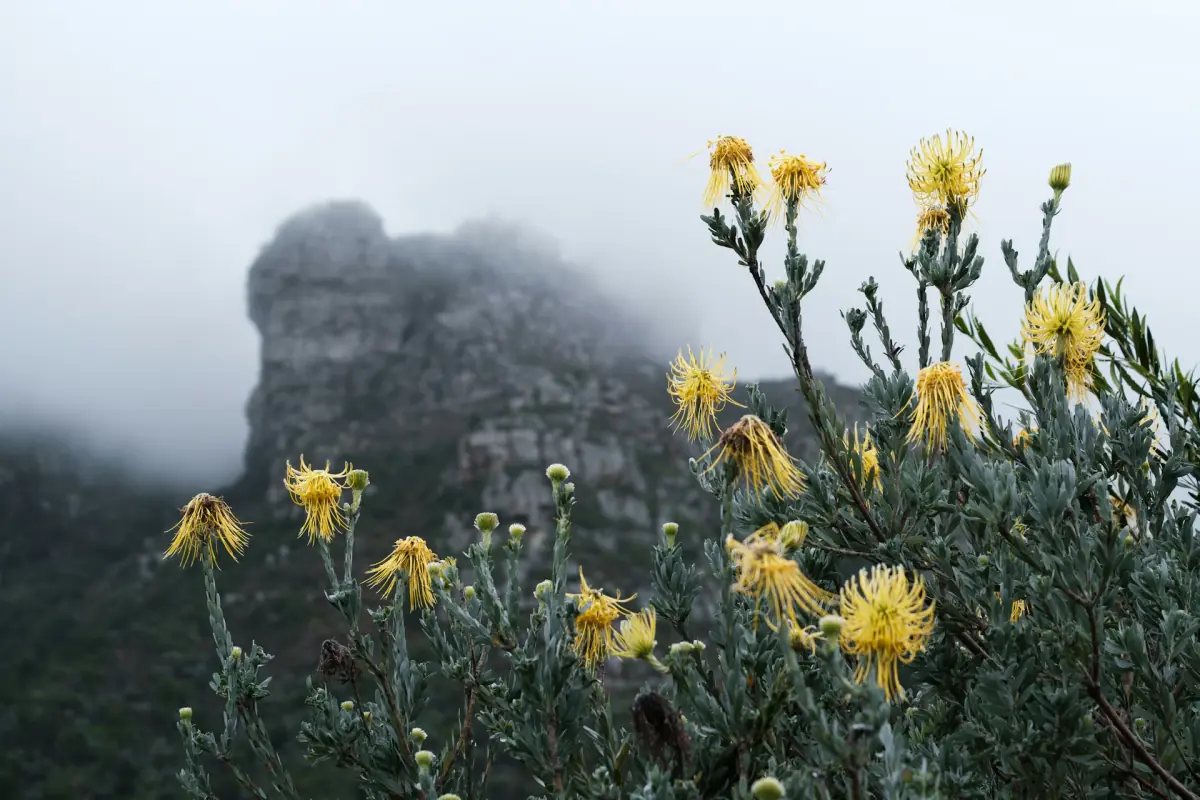
For Kirstenbosch, the seasonal pattern is warm, dry summers from November to March and cool, rainy winters from June to August. Flower interest is especially strong from August to November. These are useful starting points, but garden conditions should not be treated as a description of the mountain summit or the Atlantic coast. Build your Cape Town sightseeing programme around several types of activity rather than expecting one season to suit everything equally.
Weather and historical monthly values
The WMO and South African Weather Service series available for Cape Town uses the outdated normal period 1961 to 1990, with a data submission dated 7 May 2001. In that historical series, January's mean daily maximum was 26.1°C and its mean daily minimum 15.7°C, with 15 mm of monthly rainfall. July's corresponding values were 17.5°C, 7.0°C and 82 mm. These figures describe old station averages, not the weather for your travel dates.
Use the historical contrast to understand why summer and winter suggest different programmes, rather than to pack for an exact temperature. The figures are neither current climate normals for 1991 to 2020 nor a forecast. For a mixed itinerary, keep clothing for changing conditions accessible and avoid scheduling every outdoor highlight into a single day. City visits can form the framework while mountain and coastal plans remain adjustable.
Our take: coastal seasons
This Hermanus outing combines a botanical garden and coastal visit; the optional whale boat costs extra and sightings are uncertain.
Hand-picked tours, booked through GetYourGuide. Prices are indicative starting prices in US dollars (as of November 2026). Tap a tour for live availability and the current price in your currency.
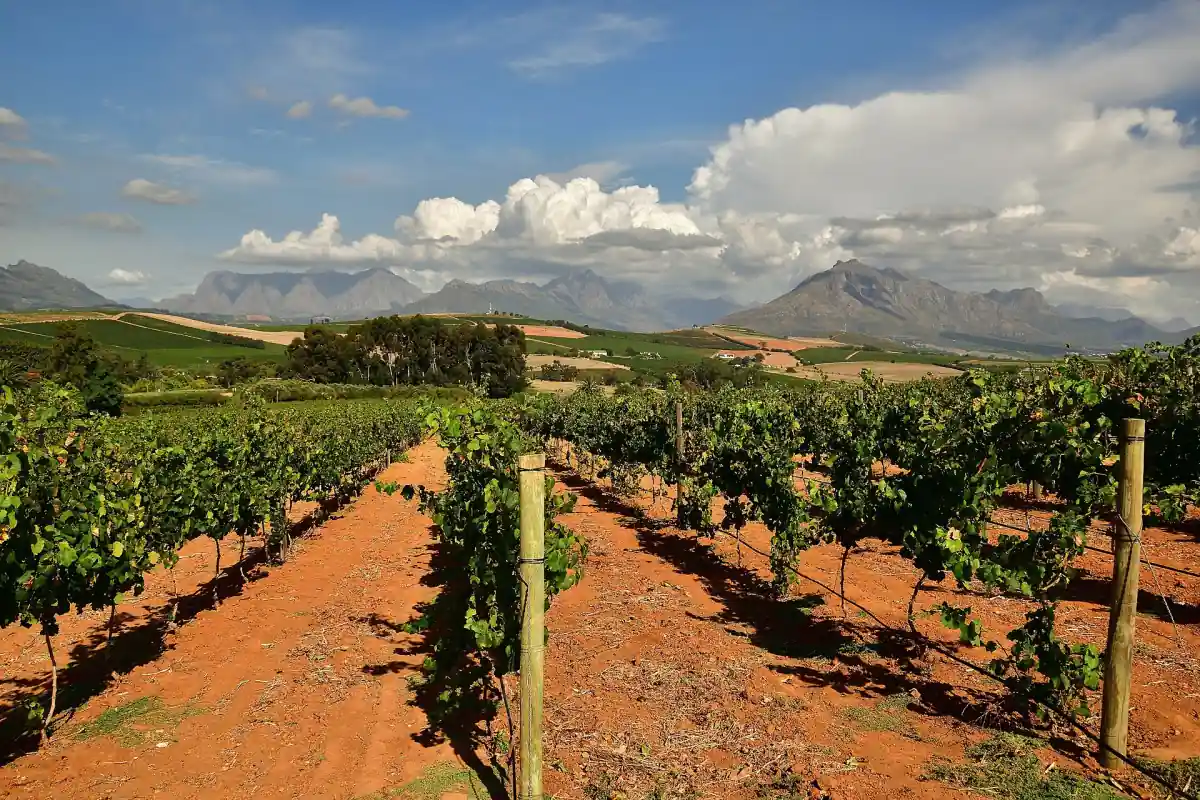
A seasonal day trip towards Hermanus
This guided outing combines hotel transfer, Harold Porter Botanical Gardens admission and a light lunch. A whale-watching boat trip is optional and costs extra.
Summer and winter
If warm, dry conditions are your main preference, the summer pattern described for Kirstenbosch gives you a starting window. Keep the mountain as a separate weather decision: a summer date does not promise clear views or cable-car operation. Choose a city activity that you would also enjoy if the mountain outing moves, instead of making the whole day depend on reaching the summit.
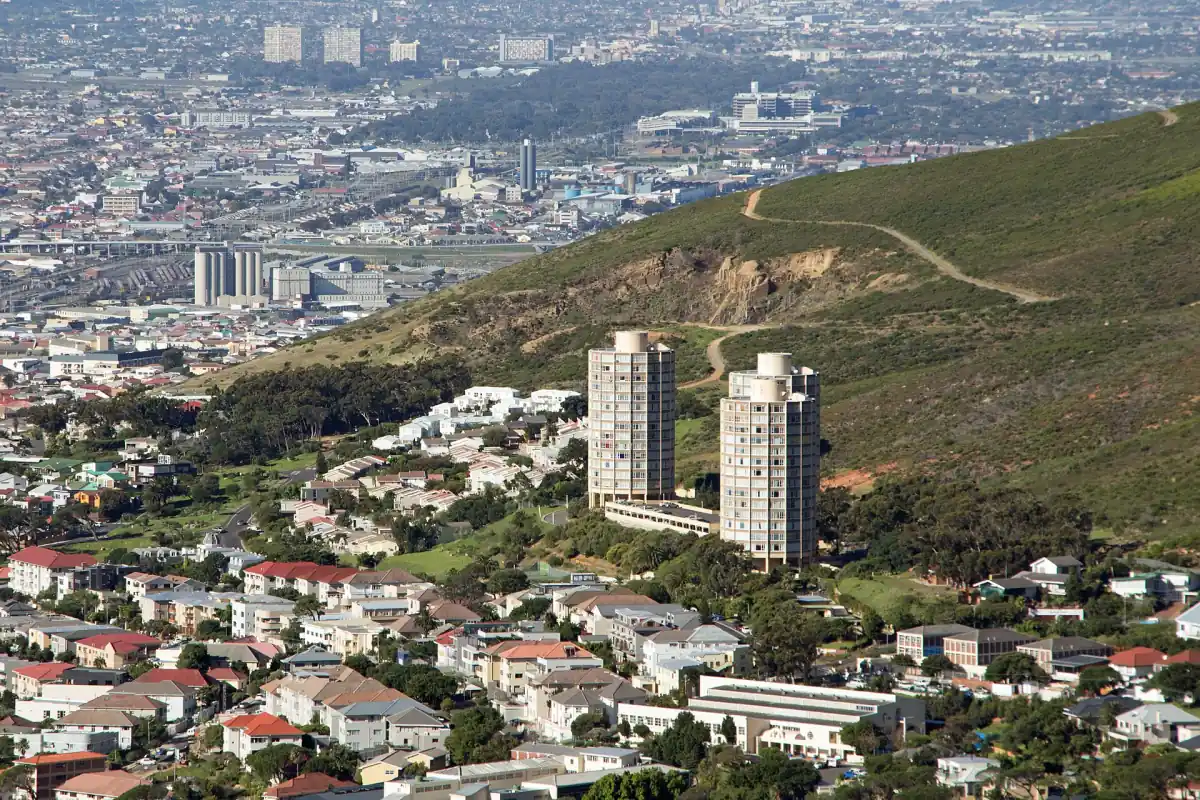
For a winter visit, allow for the cool, rainy seasonal pattern and plan breaks between outdoor activities. A city-focused stay can still have a varied programme, with walks and museum visits arranged around the conditions. Compare accommodation areas by the journeys you expect to make, so that your base and your daily plans work together rather than depending on uninterrupted outdoor time.
Garden flowers in Kirstenbosch
August to November is the flower-rich period highlighted in the garden's seasonal information. Treat that as a reason to include Kirstenbosch, rather than a promise that every plant will be in full bloom on the same date. Give the visit its own space in the itinerary. A garden day and a mountain ascent ask for different preparation, even where a wider programme connects them.
For an unhurried garden visit, bring what you need for changing weather and keep the garden rules in mind. Picnics are permitted, while fires and braais are excluded, and litter should leave with you. Garden admission and a separately arranged concert or mountain activity are different parts of a programme. Choose the visit for its garden interest without assuming extra activities are included.
Whale season and its source context
The local Hermanus information portal, consulted on 11 November 2026, describes southern right whales arriving around June or July and remaining until mid-November, with frequent sightings in August and September. This is local seasonal guidance, not an official fixed opening period or a guarantee that whales will appear. If whales are your main purpose, give the excursion priority in your date selection while keeping the outcome open.
The featured Hermanus day trip includes a registered guide, air-conditioned transport, hotel pickup and return in Cape Town and the surrounding area, admission to Harold Porter Botanical Gardens and a light lunch. The optional whale-watching boat trip and drinks cost extra. Compare this land-based programme with the boat-inclusive options on the marine day-trips page; the distinction matters more than a broad seasonal label.
Wind and room to change the plan
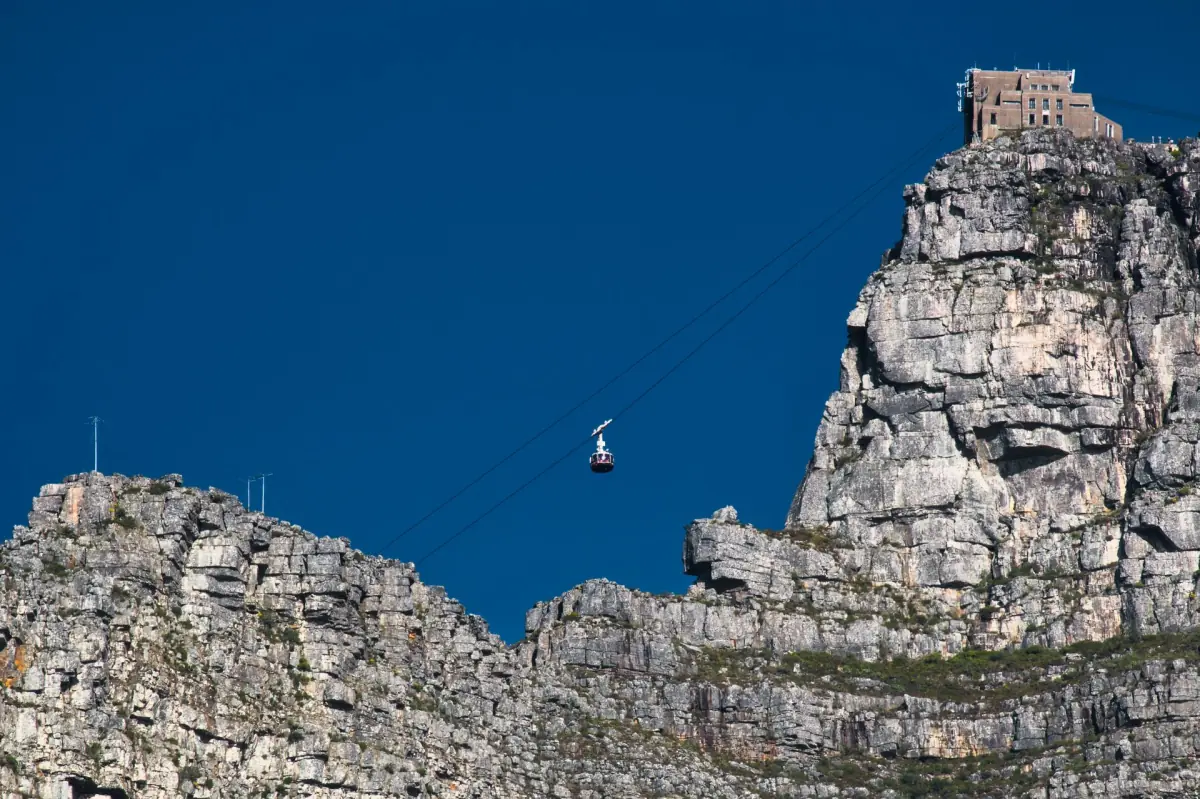
Mountain weather and visibility can change quickly, and cable-car journeys are weather-dependent. Leave a spare opportunity for your Table Mountain visit instead of reserving only the final part of your stay. If you intend to walk, allow time for a descent on foot even when you hope to use the cable car down. Carry water, a charged phone and suitable clothing, and plan to return before darkness.
Questions about travel dates
Which months suit garden flowers?
Kirstenbosch's seasonal guide highlights August to November. Flowering varies, so plan for a garden visit rather than a guaranteed date of full bloom.
Are the monthly weather figures current?
The figures quoted here belong to the outdated 1961 to 1990 station normal period, submitted in 2001. They provide historical context and should not be read as a forecast or newer climate normal.
Does the Hermanus excursion include a whale-watching boat?
The featured outing includes hotel transport, a guide, garden admission and a light lunch. A whale-watching boat trip is an optional extra, and sightings depend on wildlife and conditions.